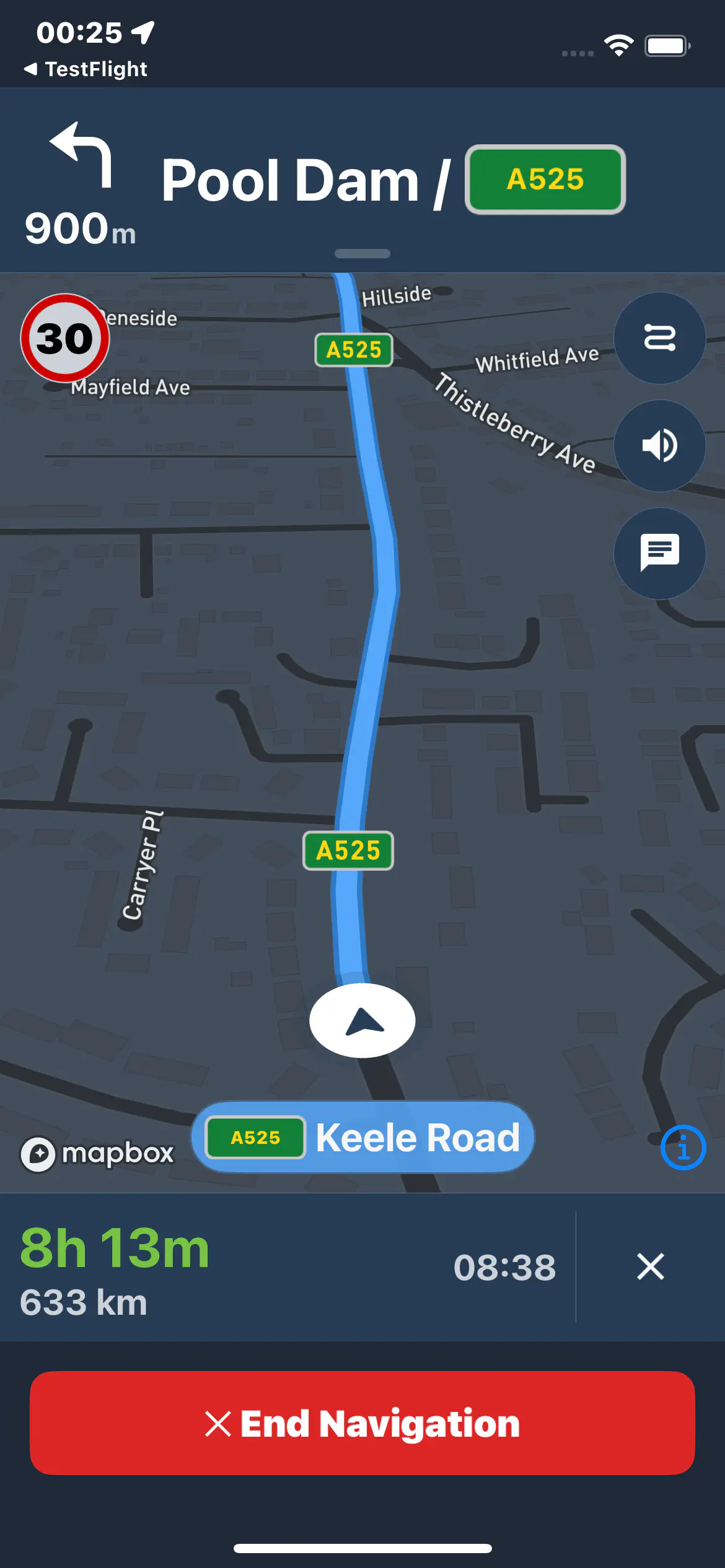
Alright team, prepare to have your driving test strategy fine-tuned! You might have seen the viral video by our friend Josh Ramwell, where a learner driver unfortunately failed their test for simply following the sat nav. Shocking, right? In a test where the national average pass rate sits at just 52.7% (DVSA data, April 2024 – March 2025), every decision counts. This isn't just about knowing where you're going; it's about demonstrating your ability to drive safely and independently. Let's dive into why your sat nav isn't always your best friend on test day and how to navigate the independent driving section like a pro.
The Real Purpose of Independent Driving on Your Test
When your examiner asks you to follow directions from a sat nav (or road signs), they're not just testing your navigation skills. They're assessing something far more fundamental: your ability to drive independently and make safe, informed decisions. This is crucial because, once you pass and have that pink licence in your hand, you'll be making these decisions on your own, without an instructor beside you.
The independent driving section makes up roughly 20 minutes of your test. During this time, you might be asked to follow:
- Sat Nav directions: The examiner will set it up for you.
- Road signs to a specific destination: For example, 'Follow signs for the town centre'.
Remember, the examiner isn't interested in whether you get to the destination via the 'correct' route. What they want to see is that you can follow directions safely, observe road signs, and handle unexpected situations without compromising safety. It's about how you adapt and react, not just blindly following a computer voice. So, if your sat nav tells you to turn left onto a busy road where there's clearly a 'No Left Turn' sign, what do you do? That's the test!
When Your Sat Nav Leads You Astray: Prioritise Safety and Road Signs
This is the core lesson from Josh's video. Sat navs are fantastic tools, but they aren't infallible. They don't always account for temporary road closures, new road layouts, or crucial road signs that override their instructions. Your examiner is looking for you to demonstrate situational awareness and sound judgment.
Think of it like this: there's a hierarchy of information on the road. At the top are official road signs and road markings, followed by your own observations and common sense. The sat nav comes last. If your sat nav suggests a manoeuvre that seems unsafe, illegal, or contradictory to road signs, you must prioritise the safety and legality of your driving.
- Illegal turns: A sat nav might tell you to turn right, but a 'No Right Turn' sign is clearly visible. Ignoring the sign to follow the sat nav is a serious fault.
- Pedestrian zones/restricted access: Sat navs sometimes direct you into areas only accessible to buses, taxis, or pedestrians, or during certain hours. Your observation skills should pick up on these restrictions.
- Unsafe manoeuvres: If a sat nav tells you to turn into a very tight, blind alley, but your judgment tells you it's unsafe or impractical, it's better to bypass and find a safer alternative.
- Roadworks or temporary changes: A sat nav won't know about recent diversions or temporary traffic lights. Always defer to temporary road signs.
Your ability to identify and respond correctly to these situations is what differentiates a safe, independent driver from someone who just follows instructions.
Practical Strategies for Handling Sat Nav Instructions on Test Day
So, how do you handle the sat nav like a pro? It's all about preparation and building confidence in your decision-making. Here are some actionable tips:
- Keep it in perspective: Remember the sat nav is a guide, not a dictator. Your eyes should be on the road, road signs, and mirrors first, then glancing at the sat nav.
- Anticipate and plan: Don't wait until the last second to react. Listen to the sat nav's instructions, but continuously scan the road ahead for signs, markings, and potential hazards that might conflict.
- If in doubt, go safely: If the sat nav instruction contradicts a road sign, or seems unsafe, make the safest and most legal decision. This might mean going straight on when it said to turn, or taking an alternative route.
- Don't panic if you miss a turn: It's NOT a fault to miss a turn on the sat nav or if you take a wrong turning, as long as you do it safely. The examiner will simply recalculate the route. What *is* a fault is making a dangerous or illegal manoeuvre to correct a missed turn (e.g., swerving last minute, stopping suddenly).
- Communicate (if necessary): While not strictly required, if you're genuinely unsure why the sat nav is saying something contradictory, you can briefly say something like, 'I'm following the road signs here as the sat nav seems incorrect,' or 'I'm going to take the next safe opportunity as this turn seems unsuitable.' This shows your thought process.
- Practise, practise, practise: Use sat navs during your lessons. Ask your instructor to take you on routes using it, especially in unfamiliar areas or near local test centres. We have resources available for all our test centres hub to help you familiarise yourself with the roads. Knowing the types of roads and junctions you might encounter across the UK's 322 test centres can build your confidence.
Beyond the Sat Nav: Developing Your Independent Driving Mindset
Ultimately, passing your driving test isn't just about performing manoeuvres or following instructions. It's about demonstrating that you possess the full range of skills needed to be a safe, responsible, and independent driver. The sat nav segment is a key part of this assessment.
Think about how you observe the road, anticipate potential problems, and make decisions under pressure. Are you constantly checking your mirrors? Are you adjusting your speed for road conditions? Are you scanning for pedestrians and cyclists? These are the elements that contribute to an examiner's overall judgment of your driving competence. The ability to filter and prioritise information – road signs over sat nav, safety over expediency – is a hallmark of a skilled driver.
So, as you prepare for your test, integrate sat nav practice into your lessons. Challenge yourself to actively question its directions if they seem off. Build that confidence in your own judgment. Because when you do, you're not just preparing to pass a test; you're preparing to be a safe driver for life.
Key Takeaways
- Prioritise safety and official road signs over sat nav instructions at all times.
- The driving test assesses your independent decision-making, not just navigation.
- It's not a fault to miss a turn safely; it is a fault to make an unsafe or illegal manoeuvre.
- Practise using a sat nav during lessons and actively question its directions if they conflict with road signs or safety.
- Maintain situational awareness: constantly scan the road, mirrors, and anticipate potential conflicts.
- Your judgment and observations are paramount; the sat nav is merely a guide.
Learner Hub
Turn this into a recovery plan
Use the Learner Hub to translate the mistake or fault pattern into focused practice before choosing the next test date. This starts with observations selected as the focus.
Frequently Asked Questions
Can I use my own sat nav in a UK driving test?+
No, you cannot use your own sat nav. If the independent driving section involves a sat nav, the examiner will provide and set up their own device, typically a TomTom. This ensures fairness and standardisation for all candidates during the test.
What if the sat nav gives incorrect instructions on my driving test?+
If the sat nav gives incorrect or misleading instructions, you should prioritise safety and road signs. Do not follow directions that seem unsafe or contradict official road signage. The examiner is testing your judgment; making a safe, legal decision that overrides the sat nav will not be a fault.
Is it a fault to miss a turn when following sat nav on the driving test?+
No, it is not a fault to miss a turn when following sat nav directions, provided you do so safely. If you miss a turn, simply continue driving safely, and the sat nav will automatically recalculate the route. Making a sudden, unsafe, or illegal manoeuvre to correct a missed turn, however, could result in a major fault.
What is independent driving in the UK driving test?+
Independent driving is a 20-minute section of the UK driving test where you'll be asked to follow either sat nav directions or road signs to a specific destination. It assesses your ability to make safe, independent decisions without instruction, mirroring real-world driving situations after you pass your test.