

So, you're aiming to pass your driving test, right? Forget everything you think you know about just 'getting by'. Examiners aren't looking for someone who can just about control a car; they want to see a safe, confident driver who can handle the road independently. This isn't about ticking boxes; it's about demonstrating that you're ready to drive safely on your own. We'll break down exactly how to shift your mindset and develop the skills needed to impress your examiner and, most importantly, stay safe. With the national average pass rate sitting at 51.8%, you need every advantage you can get! Let's get you ready to join the ranks of qualified drivers.
Developing Observation Skills: Beyond Mirror-Signal-Manoeuvre
Mirror-Signal-Manoeuvre (MSM) is fundamental, but it's not enough. Examiners want to see proactive observation. This means constantly scanning your surroundings, anticipating potential hazards, and planning your actions accordingly. Think about it: a qualified driver isn't just reacting to what's immediately in front of them; they're looking ahead, assessing risks, and making informed decisions.
Instead of just mechanically checking your mirrors before turning, continuously monitor your mirrors, your speed and the behaviour of other road users, and adjust your driving accordingly. This shows the examiner you're not just going through the motions, but actively processing information and making safe choices.
For example, approaching a roundabout, don't just look right at the last second. Start assessing the traffic flow well in advance. Are there any vehicles approaching? What's their speed? Can you safely join the roundabout? our test centres hub can help you familiarise yourself with local roads where your test may take place, and identify any particularly challenging junctions!
Confidence and Decisiveness: Taking Control of the Situation
Hesitation is a major fault. While caution is important, excessive hesitation suggests a lack of confidence and can actually create dangerous situations. Examiners are looking for drivers who can make clear, decisive decisions. This doesn't mean taking unnecessary risks, but it does mean being assertive when appropriate.
For example, at a junction, if you have right of way and it's safe to proceed, don't wait for someone to wave you on. Take the initiative and go. Similarly, when changing lanes, make a smooth, confident manoeuvre, rather than a jerky, hesitant one. Remember, driving instructors often use a simple mantra – ‘Safe and Legal’.
How do you build confidence? Practice, practice, practice! The more comfortable you become with the mechanics of driving, the more confident you'll be in your decision-making. Also, familiarise yourself with the rules of the road, so you know your rights and responsibilities in different situations. With 322 test centres across the UK, each with its own unique challenges, being prepared is key.
Smoothness and Control: Mastering the Vehicle
A learner driver often exhibits jerky movements and inconsistent speed control. A qualified driver demonstrates smoothness and precision. This means controlling the car in a way that's comfortable for both you and your passengers.
Think about your clutch control, your steering, and your braking. Are you making smooth transitions between gears? Are you steering smoothly and accurately? Are you braking gently and progressively?
Practice slow-speed manoeuvres, such as moving off and stopping smoothly, and turning in the road. These exercises will help you develop the fine motor skills needed to control the car with precision. Focus on maintaining a consistent speed and avoiding sudden changes in direction.
Independent Driving: Thinking for Yourself
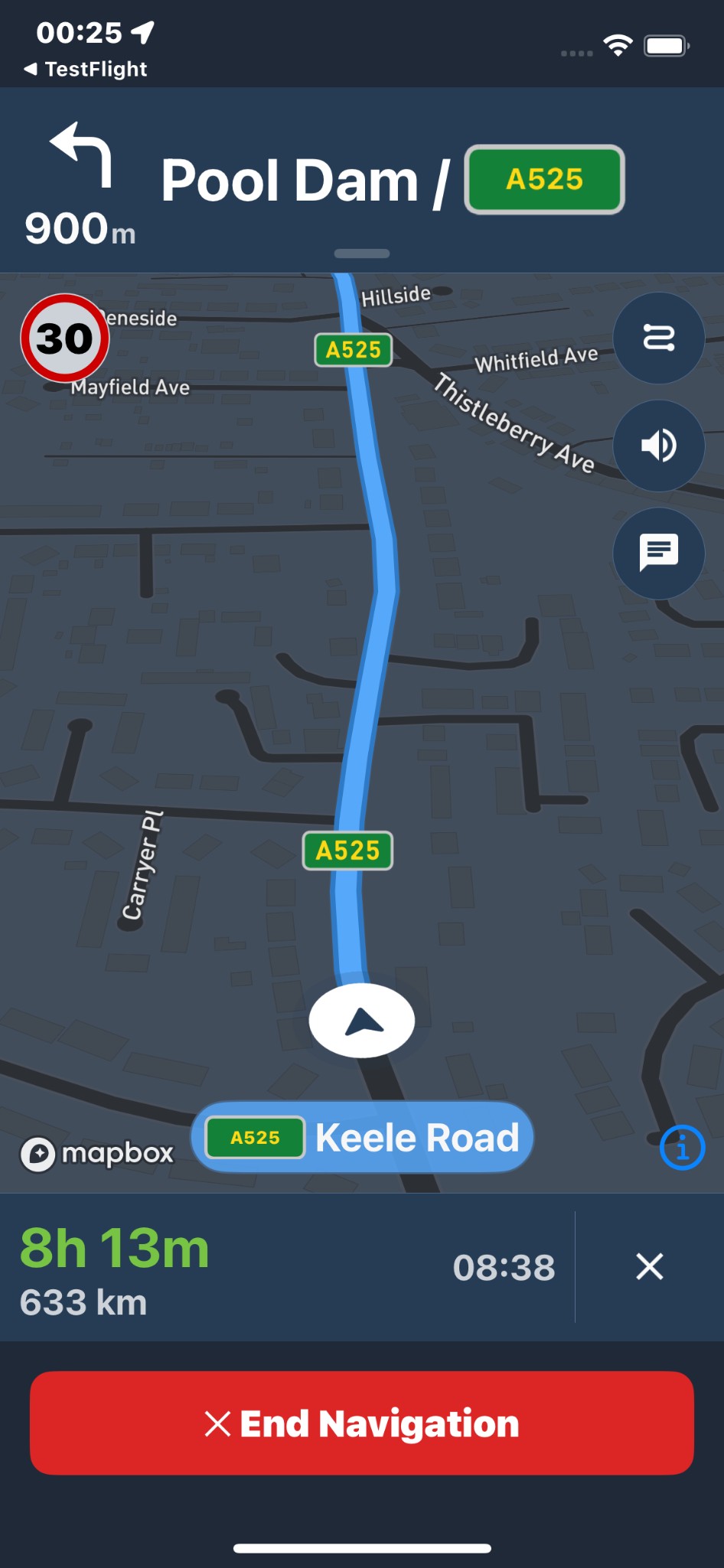
A significant portion of your driving test involves independent driving, where you'll be asked to follow directions from a sat nav or road signs. This is your chance to demonstrate that you can drive safely and independently without constant guidance. Examiners want to see that you can make your own decisions based on the information available to you.
Don't just blindly follow the sat nav. Pay attention to the road ahead, anticipate potential hazards, and make your own judgments about the safest route. If the sat nav directs you down a road that's clearly unsuitable, don't hesitate to deviate and find an alternative route. Just be sure to do so safely and legally.
Remember, the examiner isn't trying to trick you. They're simply assessing your ability to drive independently and make safe decisions. This involves planning ahead, so get into the habit of assessing potential hazards in advance.
Key Takeaways
- Focus on proactive observation, not just reactive.
- Make confident and decisive decisions, avoiding excessive hesitation.
- Prioritise smoothness and control in all your actions.
- Demonstrate independent driving skills by making your own safe decisions.
- Constantly scan your surroundings to anticipate potential hazards.
- Practice consistently to build confidence and refine your driving skills.
Frequently Asked Questions
What's the biggest difference between learner and qualified driver behaviour?+
The main difference is proactivity. Learners often react to immediate situations, while qualified drivers anticipate and plan ahead. Focus on constantly scanning your surroundings, anticipating hazards, and making informed decisions based on the information available to you.
How can I improve my independent driving skills?+
Practice driving in unfamiliar areas using a sat nav or road signs. Don't just blindly follow the directions; pay attention to the road ahead and make your own judgments about the safest route. If you encounter an obstacle or hazard, be prepared to deviate and find an alternative route.
What does the examiner look for during the independent driving section?+
The examiner is assessing your ability to drive safely and independently without constant guidance. They want to see that you can make your own decisions based on the information available to you, and that you can handle unexpected situations calmly and effectively. Focus on safe progress.
How important is confidence to passing the driving test?+
Confidence is crucial. Examiners want to see you're comfortable behind the wheel. Hesitation can create dangerous situations. Drive positively, but safely, and this will help you come across to the examiner as someone who is ready to be let loose on the roads after all your hard work and practice!